The Slow Goodbye: What Medicine Forgets When It Focuses on the Disease
When a geriatrician spends eleven minutes with a patient who has lived eighty-seven years, something essential is lost. We name what it is — and what can be recovered.

"The future of aging deserves better sentences."
We started Steward because the conversation about aging in America is broken — not wrong, exactly, but thin. It lives in bullet points and policy briefs, in ten-minute TED talks and listicles about "aging gracefully." It rarely sits long enough with the actual texture of growing old: the renegotiation of identity, the surprising tenderness between a daughter and her father in the third year of memory loss, the way a well-designed doorknob can restore dignity to a 91-year-old who has forgotten what independence felt like.
"We are not interested in aging as problem. We are interested in aging as architecture — the slow, deliberate construction of a life that deserves its full span."
Steward is a journal of record for people who sit with aging every day — clinicians who watch the healthcare system fail the patients they love, caregivers who are inventing an entirely new role with no map, designers who understand that a shower grab-bar can be beautiful, researchers who know the data but are searching for the story that will make it move.
We write long because the subjects demand it. We edit hard because your time is finite and the people you care for deserve your attention. We gather people across disciplines — at the same table, in the same sentence — because the future of aging will not be solved by any single profession.
With care and conviction,
The Steward Editors
FEBRUARY 2026

Every issue draws from these four disciplines. None is sufficient alone. Together, they begin to describe the full architecture of a long life.

When a geriatrician spends eleven minutes with a patient who has lived eighty-seven years, something essential is lost. We name what it is — and what can be recovered.

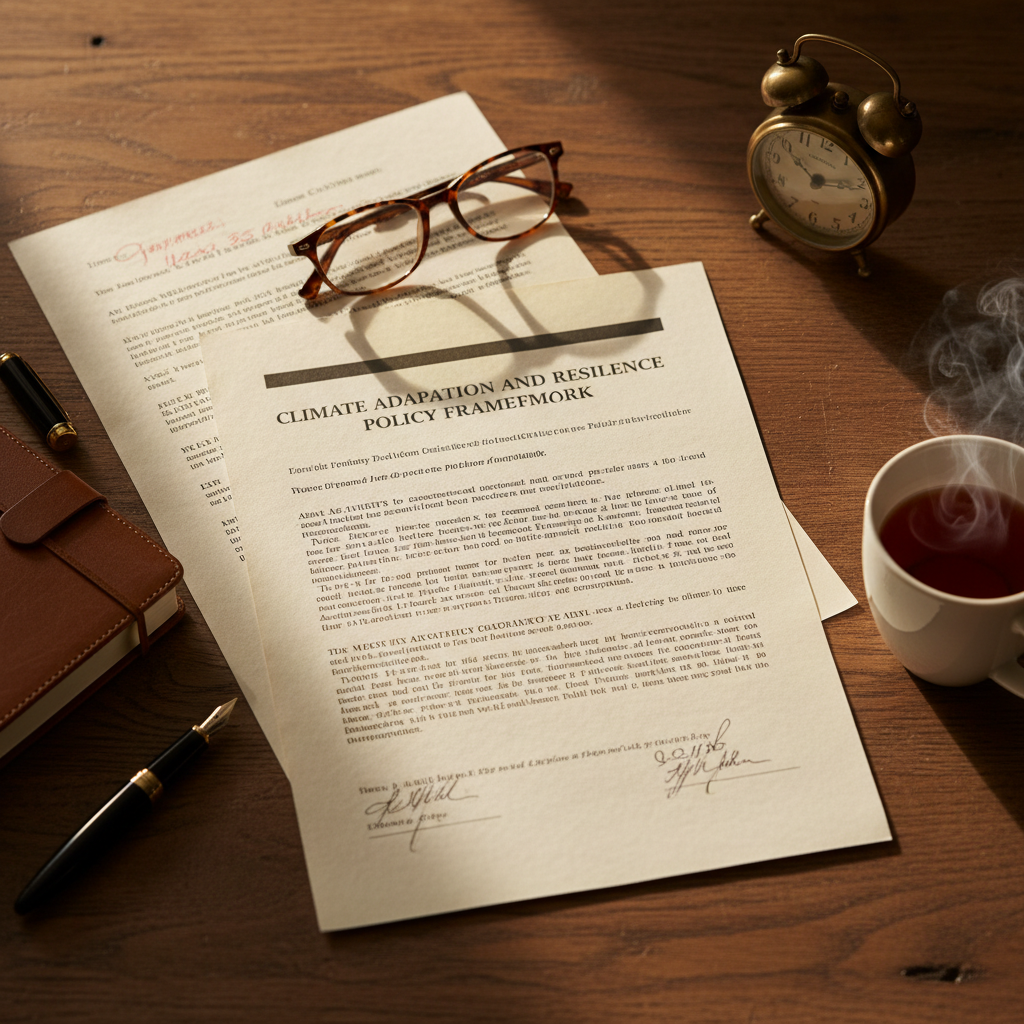
A program that keeps elders home, reduces hospitalizations by 40%, and costs less than nursing facilities — yet barely scales. We follow the money and the politics.

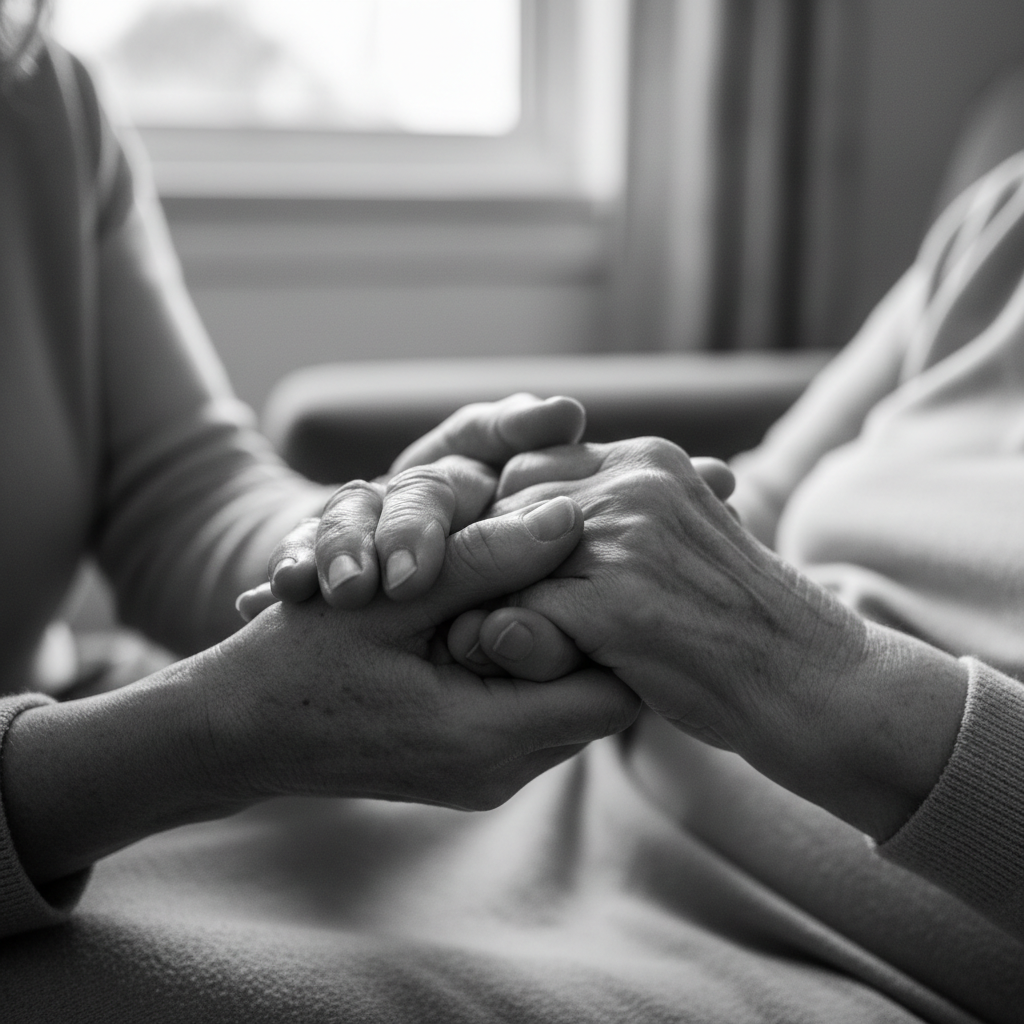
Pauline Boss named it in 1999. Twenty-five years later, millions of dementia caregivers still have no language for what they experience. This is a letter to all of them.

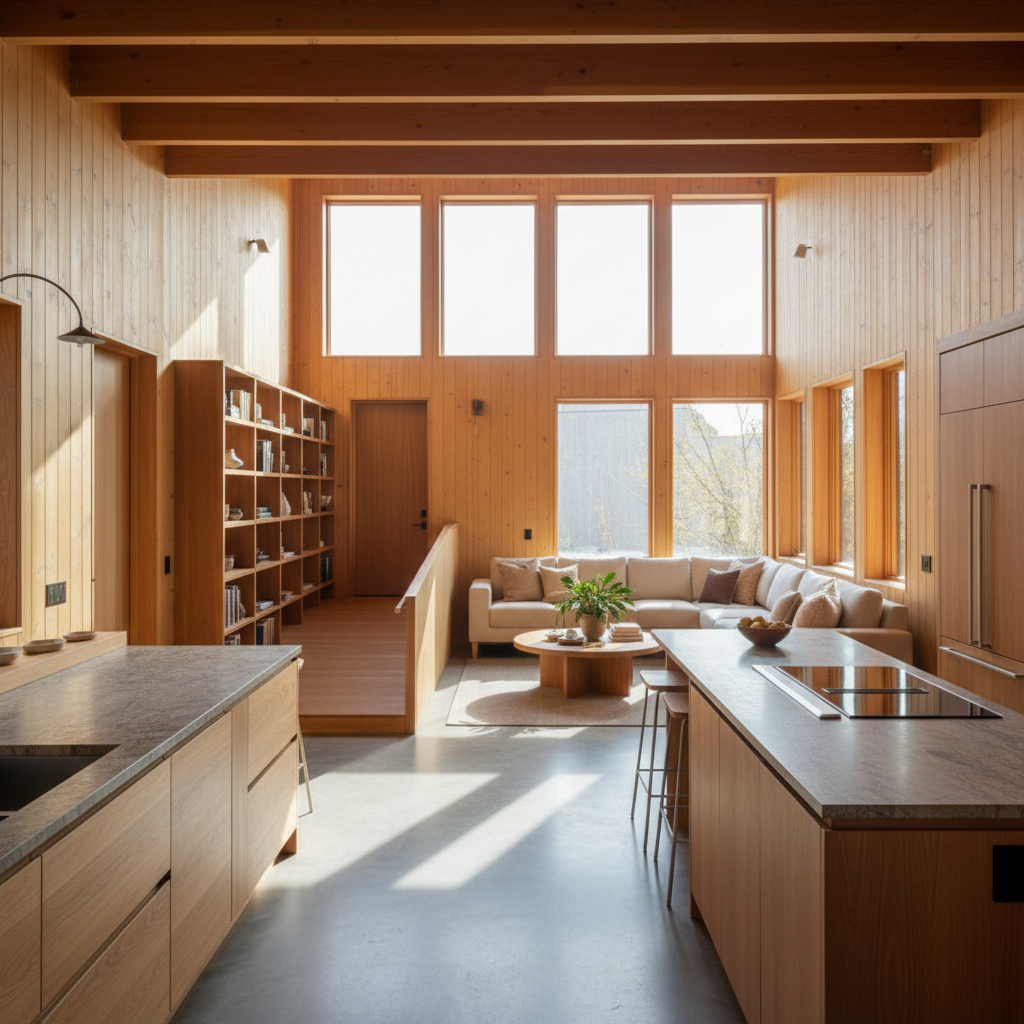
What if the grab bar was beautiful? What if the threshold was flush not because of regulations but because of love? Designers, architects, and one remarkable 84-year-old homeowner.
Steward is built for the intersection. The people who read us don't fit neatly into one category — and neither does the work of aging.
Daughters, sons, spouses — people navigating the invisible labor of care without a manual.
Physicians, nurses, and social workers who know the system's limits — and keep showing up anyway.
People who understand the data but are searching for the story that makes it move.
People who love someone who is aging — which is to say, everyone paying attention.
"I've been a geriatric social worker for nineteen years. I've never found a publication that speaks to the full complexity of what I see every day — until this one asked me to wait for it."
Dr. Margaret Osei-Bonsu
Geriatric Social Work, University of Michigan Health · Founding Reader
Founding readers on the waitlist
The first issue launches in Spring 2026. Founding readers receive early access, the complete digital archive, and an invitation to our inaugural symposium — a two-day gathering in Chicago for the people who take aging seriously.